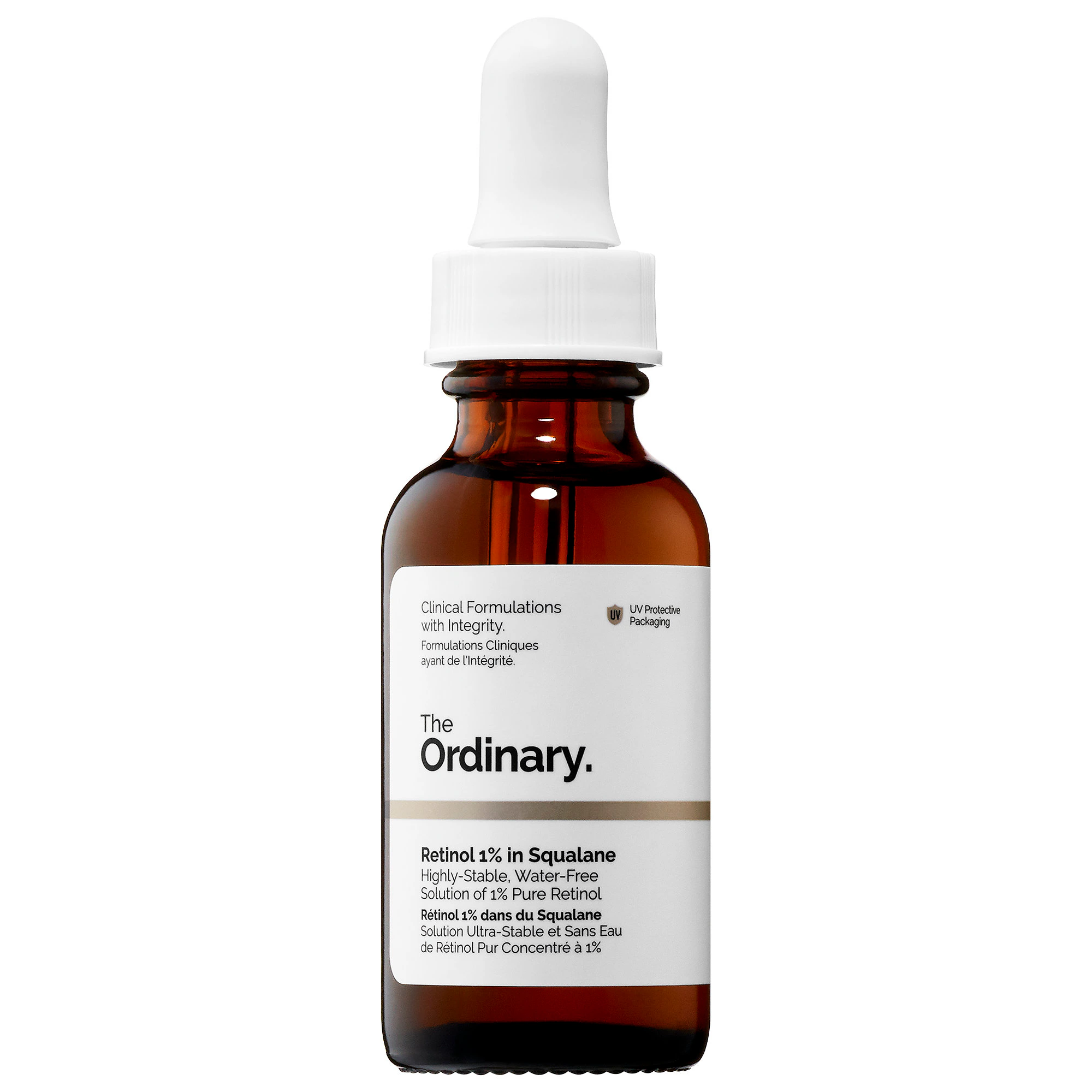
Retinol 1% in Squalane
A high-strength anhydrous retinol serum designed to target visible signs of aging, uneven tone, and textural irregularities.
A strong retinol option for experienced users, but easy to overdo if your barrier is reactive or your routine is already active-heavy.
For experienced retinol users, 1% in a squalane base is a smart, clean formula at a fraction of what premium retinol serums cost. The ingredient list is refreshingly minimal — no unnecessary fillers.
PM only — after water-based serums, before a barrier-supporting moisturizer. Retinol should always be the last active before your moisturizer, and SPF is mandatory every morning.
Experienced retinol users who have already worked up through 0.025%, 0.1%, and 0.5% concentrations and want a stronger, cleaner formula without paying premium brand prices.
If the skin is sensitive, compromised, or the routine is already active-heavy. 1% retinol on an unprepared barrier causes redness, flaking, and significant irritation. Overuse is the most common mistake.
Reduce frequency immediately — down to once a week or pause completely. Focus on barrier repair (ceramides, glycerin, no actives) until the skin recovers. Then reintroduce at a reduced schedule.
- A ceramide moisturizer immediately after to buffer the skin (sandwich method)
- Niacinamide in the morning to support barrier while retinol works at night
- SPF 30+ every morning — non-negotiable with retinol
Best For
- Advanced signs of aging
- Uneven tone
- Rough texture
- Experienced retinol users
How to Use
Apply at night after water-based serums and before heavier creams if needed. Start slowly and avoid pairing in the same routine with too many other strong actives.
Key Ingredients
Speeds up cell turnover, stimulates collagen, fades dark spots, smooths texture, and helps unclog pores.
Softens and conditions the skin, reinforces the moisture barrier, and provides a lightweight emollient feel without greasiness.
Softens and moisturizes skin with a silky, non-greasy feel. Acts as a carrier oil for other ingredients and helps create a smooth formula texture.
Ingredients to Note
May be a concern for some skin types. Tap to learn more.
Full Ingredient List
About This Product
The Ordinary Retinol 1% in Squalane is an anhydrous (oil-based) retinol serum suspended in squalane for a skin-compatible delivery base. At 1%, this is a high retinol concentration — above the 0.01–0.3% used in most over-the-counter products. The squalane base minimizes some of the drying effect of retinol and is well-suited to experienced retinoid users looking for a potent formula.